A research and advocacy report by Mata Media Organisation and Mata Media Foundation
Published in commemoration of World Mental Health Day, 10 October 2026
Executive Summary
Women journalists play a vital role in informing the public, documenting social realities and amplifying voices that are often overlooked. Yet, behind the stories they report, many face significant pressures that can affect their mental health, emotional wellbeing and long-term participation in the journalism profession.
A survey conducted by Mata Media Organisation and Mata Media Foundation explored the experiences of women journalists in Northern Nigeria, focusing on work-related stress, emotional exhaustion, stigma, help-seeking behaviour and access to workplace support.
The survey received responses from 58 women journalists. Its findings offer an exploratory snapshot of the challenges respondents experience and the forms of support they believe are needed to make journalism more sustainable.
The findings reveal several areas of concern:
- 91% of respondents experience work-related stress at least sometimes.
- 78% experience emotional exhaustion or burnout at least sometimes.
- 86% experience exhaustion associated with workload or information overload at least sometimes.
- 50% have considered leaving journalism because of its impact on their wellbeing.
- 86% said their newsroom did not provide mental health or wellbeing support, or they were unsure whether such support existed.
- Approximately 69% rated their comfort discussing mental health concerns with an editor or supervisor at only one or two on a five-point scale.
Respondents identified low pay, financial insecurity, long and irregular working hours, deadlines, family responsibilities, gender discrimination, difficult workplace relationships and exposure to traumatic assignments among the pressures affecting their wellbeing.
Many rely on informal support from family members, spouses or partners, friends, fellow journalists, prayer, spiritual practices and rest. However, the findings point to a need for more reliable workplace systems, including confidential counselling, mental health awareness training, flexible working arrangements, trauma debriefing and stronger support from newsroom leadership.
The central message is clear: journalists’ wellbeing cannot be treated solely as an individual responsibility. It must also be recognised as an organisational concern.
Mata Media Organisation and Mata Media Foundation call on media owners, editors, journalism support organisations, policymakers and other stakeholders to listen to women journalists, address harmful working conditions and build practical, accessible systems of care.
- Introduction: The People Behind the News
Journalism is essential to public life. Journalists investigate issues, hold institutions accountable, document events and help communities understand the world around them.
However, the demands of journalism can place considerable pressure on those who perform this work. Tight deadlines, unpredictable schedules, financial insecurity, difficult assignments and the need to remain constantly responsive to breaking news can affect journalists’ emotional and mental wellbeing.
For women journalists in Northern Nigeria, these pressures may intersect with gender-related expectations, family responsibilities, workplace discrimination and concerns about safety. The combination can make an already demanding profession even more difficult to sustain.
Despite the importance of journalists’ wellbeing, conversations about mental health in media organisations are often limited. Journalists may be expected to remain resilient, meet deadlines and continue reporting even when they are emotionally exhausted or struggling with difficult experiences.
This raises important questions. What pressures are women journalists experiencing? Where do they turn when they need support? Do their newsrooms provide adequate assistance? And what practical changes could help them remain in journalism without compromising their wellbeing?
Mata Media Organisation and Mata Media Foundation undertook this survey to contribute evidence to these conversations and centre the experiences and perspectives of women journalists themselves.
- About the Survey
The survey, titled Understanding Mental Health, Stigma and Systems of Care Among Women Journalists in Northern Nigeria, explored respondents’ experiences of work-related stress, emotional exhaustion, stigma, help-seeking, workplace support and their recommendations for improving wellbeing.
A total of 58 women journalists participated.
The survey covered several areas:
- The relationship between journalism and mental and emotional wellbeing.
- Work-related stress, workload and emotional exhaustion.
- Comfort discussing mental health concerns with colleagues and supervisors.
- Stigma and barriers to seeking professional support.
- Existing workplace support and responses to difficult assignments.
- Personal coping strategies and informal systems of care.
- Respondents’ priorities for healthier and more supportive newsrooms.
The research was designed to understand reported experiences and perceived needs, rather than to diagnose mental health conditions.
Understanding the findings
The findings in this report are based on participants’ self-reported experiences. The sample is exploratory and should not be interpreted as statistically representative of all women journalists in Northern Nigeria.
Percentages are rounded, where appropriate, and reflect the responses described in the survey findings. The research provides a useful starting point for discussion, further investigation and practical action, rather than a definitive estimate of the prevalence of mental health challenges across the entire profession.
- Key Findings: Stress, Exhaustion and the Cost of Staying in Journalism
3.1 Work-related stress is widespread among respondents
The survey found that 91% of respondents experience work-related stress at least sometimes.
Journalism frequently requires professionals to work under pressure, respond to changing circumstances and deliver accurate information within limited timeframes. While some degree of pressure may be part of the profession, persistent or poorly managed demands can affect a person’s wellbeing.
Respondents identified several sources of pressure, including tight deadlines, long and irregular working hours, low pay, financial insecurity, family responsibilities and difficult workplace relationships.
These findings suggest that work-related stress should not be understood only in terms of an individual’s ability to cope. It is also necessary to examine the conditions under which journalists work, how workloads are allocated and whether they have access to adequate resources and support.
3.2 Emotional exhaustion and burnout require attention
Approximately 78% of respondents reported experiencing emotional exhaustion or burnout at least sometimes.
Emotional exhaustion can affect concentration, motivation, relationships and a person’s ability to recover between demanding assignments. In journalism, where attention to detail, sound judgement and accuracy are essential, prolonged exhaustion deserves serious consideration.
A further 86% reported exhaustion associated with workload or information overload at least sometimes.
The volume of information journalists must process, combined with deadlines and irregular schedules, can leave limited room for rest and recovery. These pressures may be particularly challenging for journalists working with limited staffing, resources or institutional support.
The findings do not establish a clinical diagnosis of burnout or another mental health condition. Rather, they highlight respondents’ experiences of exhaustion and the importance of examining workload and working conditions.
3.3 Half of respondents have considered leaving journalism
One of the most striking findings is that 29 of the 58 respondents — 50% — had considered leaving journalism because of its impact on their wellbeing.
This finding raises concerns about the sustainability of journalism careers and the ability of media organisations to retain experienced professionals.
Respondents identified financial insecurity, long and irregular working hours, family responsibilities, gender discrimination, traumatic reporting and workplace pressures among the challenges affecting their experiences.
At the same time, respondents also described reasons for remaining in journalism, including passion for the profession, a sense of purpose, community service, giving people a voice and the desire to tell stories that matter.
These responses reveal an important distinction: considering leaving journalism does not necessarily mean losing interest in the profession. For some journalists, it may reflect the difficulty of sustaining a career under conditions that affect their wellbeing.
Supporting women journalists therefore requires more than encouraging resilience. It requires creating conditions in which they can continue doing meaningful work without being expected to absorb unreasonable levels of pressure.
- Stigma and the Difficulty of Asking for Help
Mental health stigma can discourage people from discussing emotional difficulties or seeking support. In professional environments, concerns about reputation, confidentiality and career progression may make these conversations even more difficult.
The survey found that approximately 69% of respondents rated their comfort discussing mental health concerns with an editor or supervisor at only one or two on a five-point scale.
This suggests that many respondents do not feel sufficiently comfortable raising such concerns with people who hold authority over their work.
Participants’ concerns included the possibility of being judged, being perceived as weak, losing opportunities or employment, and uncertainty about whether personal information would remain confidential.
The survey also found that approximately 71% of respondents either said mental health stigma affects women journalists differently or expressed uncertainty in their responses. This figure should be interpreted in line with the survey’s combined response categories rather than as a definitive measure of how many respondents explicitly confirmed a gender difference.
The findings nevertheless raise an important question: how can media organisations encourage journalists to seek support when they may be unsure how their concerns will be received?
Awareness campaigns alone are unlikely to resolve this challenge. Newsrooms also need to establish trust, communicate clear confidentiality arrangements and demonstrate that employees can raise concerns without fear of unfair treatment.
A supportive environment is not simply one in which leaders tell staff to speak up. It is one in which staff have good reason to believe that doing so will be safe and worthwhile.
- Access to Professional Support and Workplace Care
The survey revealed a substantial gap in respondents’ awareness of, or access to, formal workplace wellbeing support.
Approximately 86% said their newsroom did not provide mental health or wellbeing support, or they were unsure whether such support existed.
The combined figure includes respondents who reported an absence of support and those who were uncertain about its availability. It should not be interpreted as evidence that every newsroom represented in the survey lacked all forms of support.
However, uncertainty about available services is itself important. Support cannot be effectively used if employees do not know that it exists, how to access it or whether their privacy will be protected.
The survey also found that only 6 of the 58 respondents (approximately 10%) had sought professional mental health support because of their journalism work, while another 8 respondents (approximately 14%) had considered seeking professional support but had not done so.
These figures describe respondents’ reported experiences. They do not, on their own, establish why others did not seek professional support or whether they needed clinical care.
They nevertheless highlight the importance of understanding barriers to help-seeking and making appropriate support easier to access.
Potential measures include confidential referral pathways, access to qualified professionals, mental health awareness training and clear information about available services. Where a newsroom cannot provide services independently, partnerships with appropriate professionals or support organisations may offer practical alternatives.
- Informal Systems of Care: Important but Not Enough
When formal support is limited or uncertain, people often turn to the networks available to them.
Respondents described relying on family members, spouses or partners, friends, fellow journalists, prayer, spiritual practices and rest or temporary withdrawal from demanding situations.
These sources of support can be valuable. Trusted relationships may provide understanding, reassurance and a sense of belonging. Fellow journalists may also recognise the pressures of the profession in ways that people outside it cannot.
For many people, faith and spiritual practices are important sources of strength and comfort.
However, informal support should not become a substitute for organisational responsibility. Family members and friends cannot necessarily change excessive workloads, address harassment, guarantee time off or establish safer editorial practices.
A more sustainable approach recognises the value of personal and community support while ensuring that media organisations also take responsibility for the working conditions they control.
The goal is not to replace informal care, but to complement it with accessible and reliable workplace support.
- Gender, Work and the Experiences of Women Journalists
Women journalists do not form a single, uniform group. Their experiences differ according to their roles, locations, employment arrangements, personal circumstances and the organisations for which they work.
Nevertheless, the survey highlights the importance of considering how professional demands may intersect with gender-related expectations and responsibilities.
Respondents identified family responsibilities, gender discrimination, difficult workplace relationships and financial pressures among the challenges affecting their wellbeing.
For some women, managing newsroom deadlines alongside responsibilities at home may create competing demands on time and energy. Experiences of discrimination or harassment can add further pressure, particularly where reporting concerns does not lead to meaningful action.
These issues require careful, context-sensitive responses. Media organisations should avoid assuming that all women face the same challenges, while ensuring that policies and practices recognise the different circumstances in which employees work.
Gender-responsive care includes fair treatment, safe reporting mechanisms, clear anti-harassment procedures, reasonable workloads and opportunities for women to participate fully in editorial and leadership decisions.
It also means listening directly to women journalists rather than assuming that managers already understand their needs.
- What Women Journalists Want: Practical Support and Better Working Conditions
The survey points to several areas where respondents believe support is needed.
Better pay and financial security
Financial insecurity was among the reported sources of pressure. Fair compensation and greater financial stability can help address one important dimension of work-related stress.
Confidential counselling and professional support
Respondents identified access to confidential counselling and professional mental health support as important needs. Such services should be provided or facilitated by qualified professionals, with clear arrangements for privacy.
Mental health awareness and training
Training can help journalists and newsroom leaders better understand wellbeing, recognise when additional support may be needed and respond to colleagues with greater sensitivity.
Flexible working arrangements and mental health leave
Reasonable flexibility, appropriate leave and adequate rest can help employees manage competing responsibilities and recover from demanding assignments.
Trauma-informed reporting support
Journalists covering violence, disasters and other distressing events may benefit from preparation, opportunities to discuss difficult assignments and clear pathways to further support when needed.
Regular check-ins and peer networks
Regular, respectful conversations and trusted peer networks can help identify concerns before they become more difficult to manage. These arrangements should be supportive rather than intrusive and should respect individual privacy.
These priorities demonstrate that care is not limited to counselling or awareness campaigns. It also involves everyday decisions about pay, workload, safety, scheduling, management and how people are treated at work.
- Recommendations: Building Systems of Care in Newsrooms
Based on the survey findings, Mata Media Organisation and Mata Media Foundation encourage media organisations and stakeholders to consider the following actions.
9.1 Make wellbeing part of newsroom leadership
Editors and media owners should recognise wellbeing as an organisational responsibility. This includes regularly reviewing workload, staff capacity, deadlines, working hours and the availability of support.
9.2 Establish safe and confidential ways to raise concerns
Newsrooms should communicate how staff can raise concerns, what confidentiality protections apply and what steps will follow. Employees should not face retaliation or unfair treatment for raising legitimate wellbeing or safety concerns.
9.3 Introduce structured check-ins and post-assignment support
Regular check-ins can give journalists opportunities to discuss workload and support needs. Following particularly distressing assignments, editors should offer appropriate, voluntary opportunities to debrief and access additional support if needed.
9.4 Address harassment and gender discrimination
Media organisations should have clear anti-harassment policies, accessible complaint mechanisms and procedures for responding fairly to reports. Policies must be supported by action rather than existing only on paper.
9.5 Make professional support easier to access
Where resources permit, newsrooms should facilitate access to qualified mental health professionals. Smaller organisations can explore responsible partnerships and referral arrangements where direct provision is not feasible.
9.6 Support peer networks without transferring responsibility to staff
Peer support can reduce isolation and help colleagues share practical strategies. However, peers should not be expected to act as substitutes for qualified professionals or for organisational action.
9.7 Invest in sustainable working conditions
Fair pay, realistic workloads, adequate rest, reasonable scheduling and appropriate safety measures are important parts of a supportive working environment.
9.8 Include women journalists in decisions
Women journalists should participate in discussions about policies, safety, workloads and wellbeing. Their experiences should inform the design and evaluation of support systems.
9.9 Monitor progress and keep listening
Newsrooms can periodically seek confidential feedback on staff wellbeing, awareness of available support and confidence in management responses. Any data collection should respect privacy and be used to improve conditions rather than penalise individuals.
- A Practical Starting Point for Small Newsrooms
Building systems of care can appear difficult for small or under-resourced newsrooms. Limited budgets, small teams and heavy editorial demands may constrain what organisations can provide immediately.
However, meaningful progress does not have to begin with an expensive programme.
A newsroom can start by asking staff what pressures affect them most, reviewing whether workloads are realistic, clarifying how to report harassment, identifying appropriate referral options and ensuring that journalists know where to seek help.
Editors can also establish regular check-ins, offer flexibility where possible and make time to discuss the effects of difficult assignments.
These steps should not be presented as a substitute for professional services or adequate funding. Rather, they are practical starting points that can be adapted to each organisation’s capacity and circumstances.
The key is to move from good intentions to consistent practice, with leadership taking responsibility for what can be changed and being transparent about what remains unresolved.
- From Research to Wider Conversation
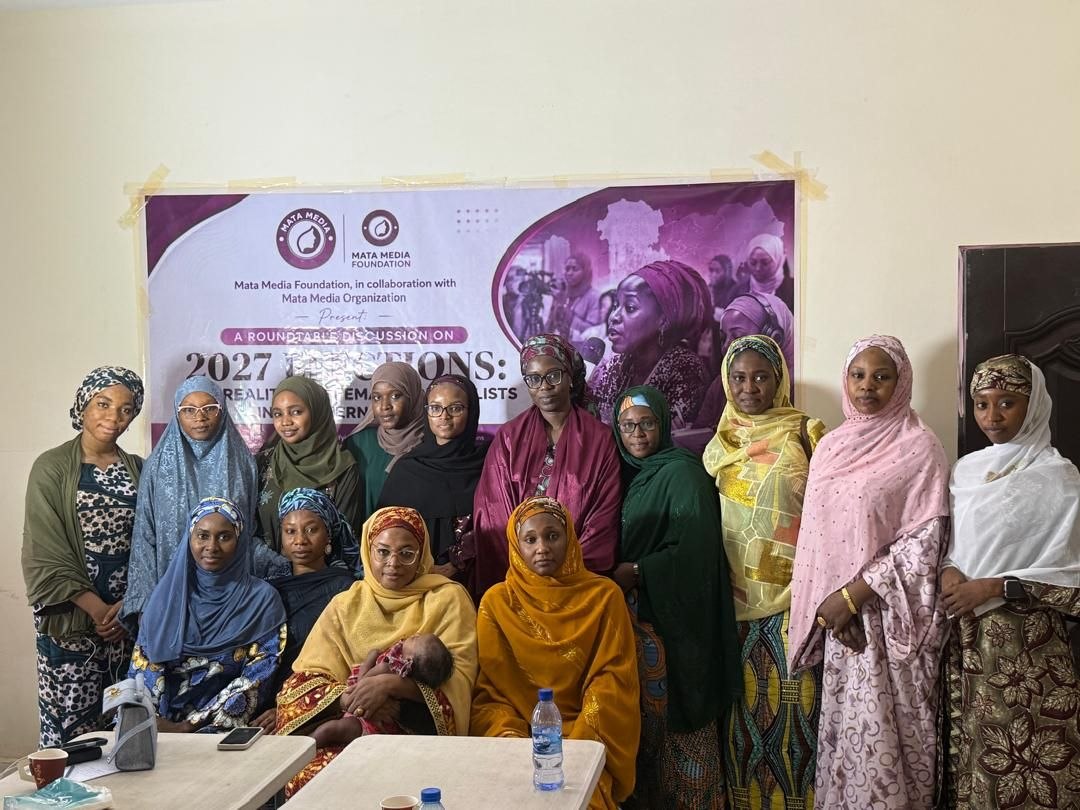
Mata Media presented the survey findings during a session at the 2026 Mental Health in Journalism Summit, organised by The Self Investigation under the theme “Stronger Together: Building Systems of Care.”
The presentation, titled “Silent Burdens, Shared Strengths: Mental Health, Stigma and Care Among Women Journalists in Northern Nigeria,” brought the experiences described by women journalists in Northern Nigeria into a wider international conversation about newsroom wellbeing.
The discussion reinforced the importance of grounding care strategies in what journalists themselves say they need, rather than relying solely on assumptions about their experiences.
The survey offers an opportunity for media organisations, journalism support groups and other stakeholders to reflect on how care can be integrated into everyday newsroom practices, including leadership, workload management, safety, professional development and access to support.
Mata Media hopes that sharing these findings will encourage further research, constructive dialogue and practical collaboration towards more supportive media workplaces.
- Conclusion: Care for Journalists Is Care for Journalism
The findings from 58 women journalists offer an important starting point for examining how work-related stress, emotional exhaustion, stigma and uncertainty about support affect their experiences of journalism.
The survey does not claim to represent every woman journalist in Northern Nigeria, nor does it diagnose mental health conditions. Its value lies in documenting what participating journalists reported and identifying questions that media organisations should take seriously.
The results point towards a shift in perspective: from expecting individual journalists to cope with every pressure to building workplaces that share responsibility for their wellbeing.
Women journalists bring expertise, commitment, creativity and important perspectives to public life. Supporting them requires more than celebrating their contributions. It requires working conditions that enable them to continue contributing safely and sustainably.
For media owners, editors and journalism support organisations, the challenge is to listen, identify practical changes and make care part of how the work is done.
Care for the journalist is care for journalism itself.